Hi folks! After not checking in for a while, I logged into this site and had several really good questions and comments. I apologize that it took me so long to reply. I did reply; however, for future reference, it’s probably a good idea for visitors to know that I only make soap for myself now and actually haven’t done so in some years, and I’m not actively updating this site or checking in very often. If you need quick answers to your questions, it might be best to ask someone who is more active. I suggest Brambleberry. I think the people who work there are really helpful and can answer your questions.
Copyright Infringement Allegation
Hi everyone. I take copyright very seriously. All of the images I use on this site are either my own or are used under the Fair Use doctrine or Creative Commons License.
Someone left a comment on my contact page alleging that I infringed on their copyright, but they did not specifically state which images they alleged were their own or proof of ownership.
If you feel I have improperly used your work, contact me via email—that address is on the contact page.
I suspect this person is actually using the commenting feature to post spam or a phishing scam, and I marked the comment as spam accordingly.
Related posts:
One Year Update
Now that it’s been nearly a year since I decided to “scale back,” it seemed like a good time to check in with any remaining readers to let you know that I’m very happy with my decision to suspend selling my soaps. As much as I enjoy making soap, I didn’t enjoy catering to the market or the demands of wholesale. In fact, selling my soaps wholesale is what soured me on the business end of making soap.
I am not ruling out reopening my Etsy store at some point, but for right now, expect that this blog will be updated purely as a hobbyist’s enterprise, and as such, updates may be somewhat infrequent. If you want to make sure you don’t miss one, you can subscribe to the site (see the sidebar on the right).
I’ve also changed the look around here, and I hope you like it. Thanks for continuing to follow me on my journey as a soapmaker.
Related posts:
Scaling Back
I started making handmade soap about four years ago because I fell in love with the handmade soap I used to buy at the farmer’s market in my old home in Georgia. I don’t know if I thought handmade soap didn’t exist in Massachusetts or what, but I decided I wanted to learn how to make it myself because I was moving and wouldn’t be able to buy it from the farmer’s market anymore. I did a lot of research before I moved, but I didn’t make my first batch until after I moved to Massachusetts. It didn’t take long before it was one of my favorite things to do. I loved to experiment. I loved to create. I loved the end product. My skin is in excellent shape, and I attribute it entirely to the fact that I am exclusively using the soap and lotion I make myself. In fact, if I travel and forget to pack my own soap or perhaps think it’s a hassle and wind up using the hotel soap, my skin hates it.
I haven’t made a lot of soap this summer. My son actually asked me about it about a month ago. I have no intentions of stopping entirely, but it is true I’m scaling back. I am finding I want to make time to do other things, too. Spend time with my husband and children. Read. Travel. Write. I firmly believe, and have said often when people ask me how I do so much, that we make time to do the things that are important to us.
I would be lying if I said I didn’t find the business end of making soap a bit frustrating. I haven’t been successful at markets, and that has been disheartening. I can’t get into our local farmer’s market. I find keeping up with more than a few wholesale accounts exhausting, so I have elected not to pick up any more wholesale accounts. When I lost a wholesale account earlier this year for reasons that were not explained (and I didn’t pursue), I was secretly relieved because I could spend more time making the soap I want to make. That is what I love about making soap in the first place. Making what I want. But what I want to make is not always what people want to buy, and that has been a frustrating thing to experience. I want to show off a new technique or try a new recipe. But people want to buy their favorites.
If making soap was just a business to me, my path forward would be clear. I should make what sells and not worry about what I want, or perhaps indulge in making what I want for special occasions, such as gifts. But it’s not just a business to me, and frankly, it’s never been a very successful business. And I don’t really need the income. I have a full time job.
So, I am going to be scaling back. I actually already have, though I didn’t know it. I thought about it a lot over the summer, and what I will do is make soap when the mood strikes, and I will sell it in my Etsy store when I have enough, but I’m not going to be keeping the the store stocked, and what you will see there will be soaps I wanted to make. I am hoping people will understand that part of the reason I’m doing this is so I don’t actually feel the need to stop making soap because I don’t enjoy it anymore. I want to get back some of the passion I felt for making soap when it was a hobby, so I am returning it to more of a hobby. I have seen some good friends bow out entirely—either they have stopped making soap or they haven’t blogged about it a long time or both. I don’t want that to happen to me. I do consider making soap an art as well as a craft, and I want to make the kind of art that inspires me and makes me want to keep making art.
More Pure Soapmaking
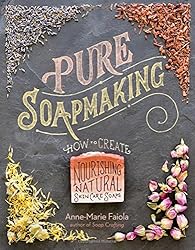 I truly have been enjoying inspiration from Anne-Marie Faiola’s Pure Soapmaking: How to Create Nourishing, Natural Skin Care Soaps, which I reviewed recently on this blog.
I have also enjoyed watching other soapmakers experiment with Anne-Marie’s ideas and recipes from the book. I spent a few minutes today watching soapers try Anne-Marie’s recipe for an Aloe Vera Hanger Swirl soap as shown on pp. 177-181 in the book. I admit to being drawn to that soap as well.
First up, I watched the wonderful Holly of Missouri River Soap try out the recipe with her own tweaks—she uses different oils— and a slightly different technique.
Next, I watched the incomparable Zahida Map of Handmade in Florida give the recipe her own flair.
Both of these women are talented soapmakers whom I admire a great deal. Watching these videos made me anxious to give this soap a go.
Like Holly, I used my own soap recipe. Holly is absolutely right in that as you become a more experienced soapmaker, you come to formulate your own recipe that you like. You know how it will behave under normal conditions, and you know how it will feel to use, what the lather will be like, and what its various properties will be. I experimented quite a lot with a variety of recipes, but I have gradually settled on one recipe that is my mainstay for almost all of my soaps now.
I used the same colors as Anne-Marie in her book: chromium oxide, hydrated chromium green oxide, and titanium dioxide. I didn’t have any aloe vera leaf or gel or any cedarwood essential oil. Anne-Marie (and Holly and Zahida) used the lavender and cedarwood essential oil combination, which I’m sure smells divine. In fact, I’m kind of wondering if it smells like Bramble Berry’s Lavender & Cedar fragrance oil. I bought some Green Irish Tweed fragrance by BeScented from a friend recently, and I had been wanting to try it. This technique of Anne-Marie’s looked like a good opportunity.
Aside from using my own oil recipe, changing up the fragrance, and deleting the aloe vera leaf/gel, I basically followed Anne-Marie’s advice, with the exception of not spooning the soap into the mold. Like Holly, I opted to pour at thinner trace so that I could get more swirls. I used aloe vera liquid at perhaps just a bit more than the amount Anne-Marie did.
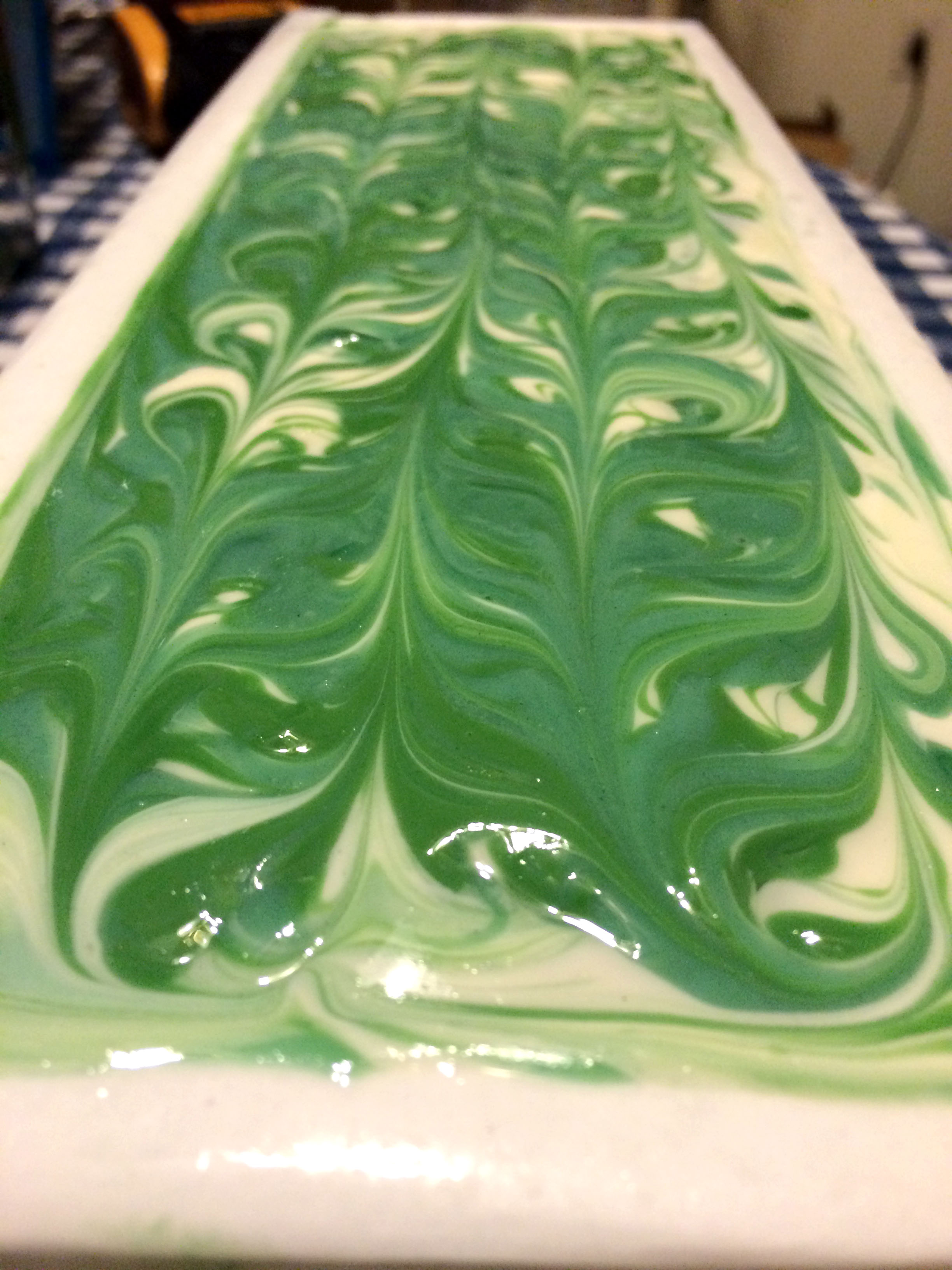 I divided the soap, but not into precise thirds. I have a 3.5-4-pound mold, and I poured about 1.5 cups of soap into two measuring cups for each of the greens and colored the rest of the soap white. I find that I like the way my soaps look better if they have more white rather than equal numbers of each color. The Green Irish Tweed fragrance doesn’t accelerate, and even though it looks a like it’s a bit dark in the bottle, it doesn’t seem to discolor.
I poured a layer of white soap and then swirled in each of the greens, very similar to the way Holly did in her video. I repeated until most of the soap was gone. I kept some to do a swirly top. I used my new hanger swirl tool (man, did that make this easier!) to add the hanger swirl.
Based on suggestions from Twitter and Instagram friends of New England Handmade Artisan Soaps, I’ve decided to call this soap Emerald Isle. Isn’t it beautiful? And it smells absolutely divine. I haven’t ever smelled Green Irish Tweed by Creed, but it reminds me a bit of Irish Spring. I am definitely sending some along to my daughter, who loves fresh unisex scents like this one.
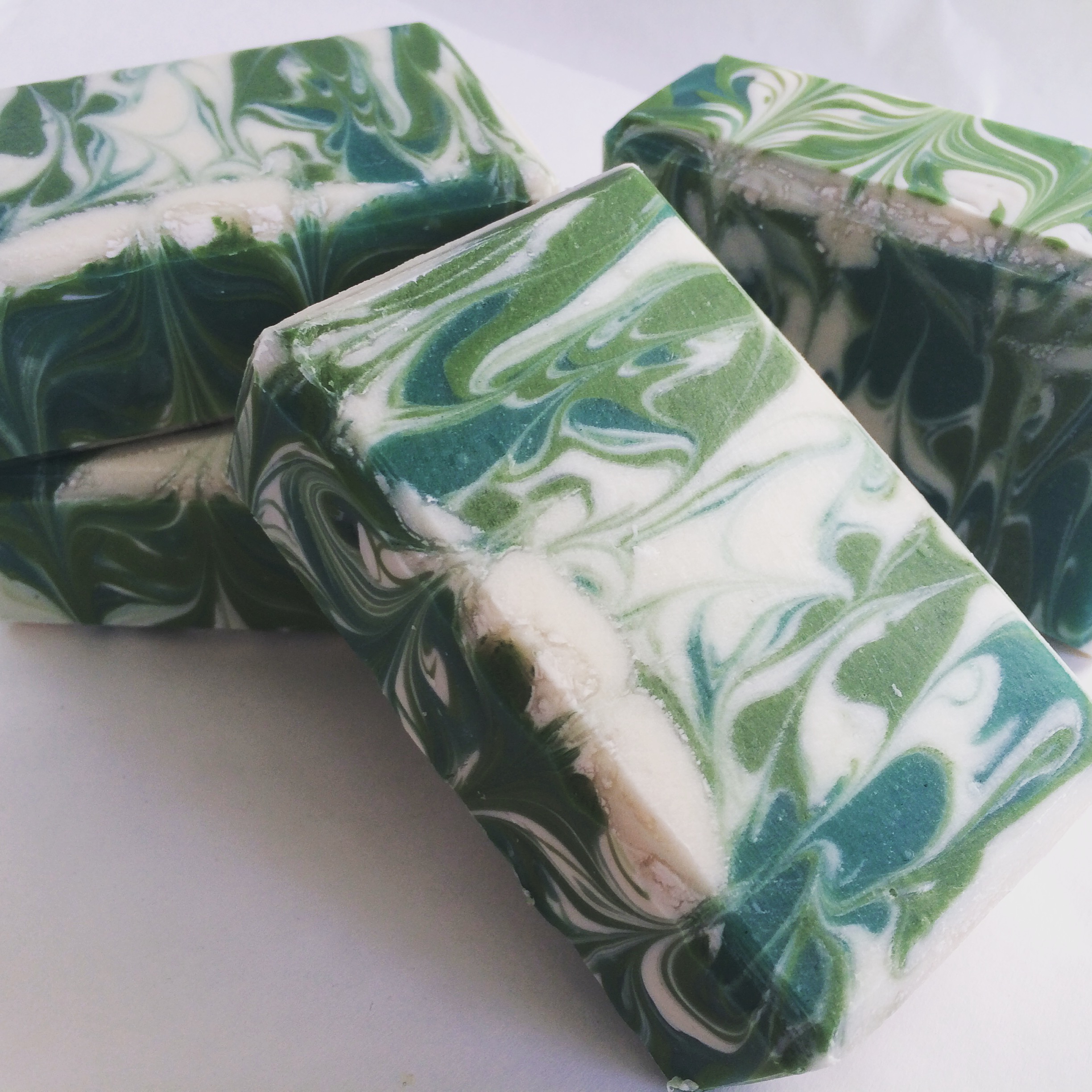 I’m really happy with how it turned out. I am using a new brand of titanium dioxide, and I noticed some fine dots near the tops of the bars. I’m not sure if it’s something like glycerine rivers. You can probably see the dots in the image above. It’s funny, but I might have been really disappointed about those white dots in the past, but over time I have come to accept that sometimes titanium dioxide does funny things, and you just have to roll with it. I’m not sure why the titanium dioxide would only be temperamental at the top of the soaps because my experience with glycerine rivers is that they are usually threaded throughout the soap and are less prominent, if anything, at the tops. In any case, the greens really popped after gelling.
Recently, I also tried Anne-Marie’s recipe for Oatmeal Soap for Babies on pp. 78-81. I used her exact recipe, though sized for six bars in my round silicone mold. I also opted to swirl with purple Brazilian clay, so I didn’t add bentonite clay to the whole batch—just the uncolored half. I added lavender essential oil to the soap. Aside from these adjustments, my soap was made with the same recipe as Anne-Marie’s.
I should mention that I don’t really make a clay slurry, either with oils or water, when I use clays in my soap. I just add the clay right to my oils before I add the lye water. I have never had any issues with clay when I have added it in this way, but I have had issues when I have added clay as a slurry. Go figure.
Babies could likely still use this soap, even with the lavender essential oil added, but I plan to suggest it for people with sensitive skin who want to use a gentle, natural soap.
 You can see the specks of oatmeal in the soap. The purple Brazilian clay really is a muted lavender shade that is perfect for this soap. I found this cute video of Katie from Royalty Soaps making this soap exactly as described in the book:
I have to recommend Anne-Marie’s book again. I think beginners will find a great deal of information in it, and so will advanced soapers.
Review: Pure Soapmaking by Anne-Marie Faiola
Anne-Marie Faiola is one of my favorite soapmakers, and I just loved her book Soap Crafting. I think Anne-Marie does a great job creating easy recipes and experiments that beginners can try and also inventing advanced recipes and techniques for more experienced soapmakers.
In her latest book, Pure Soapmaking: How to Create Nourishing, Natural Skin Care Soaps, Anne-Marie shares her techniques for natural (or nearly natural) soaps using essential oils and natural pigments.
Once again, Anne-Marie’s book is not only chock full of recipes but also great advice and excellent photography. Anne-Marie describes how to make herbal infusions and what hues you can expect from a long list of natural colorants (including pictures). Also included is helpful information about essential oils and using liquids besides water. In all, it has a great deal to offer both beginners and experts alike. Kudos to Anne-Marie also for explaining the clean-up process, which many books leave out. I also like that Anne-Marie describes how to create a soap tent for insulating soap so it goes through gel phase. I myself save soft drink fridge pack boxes, which are just the right size for sliding a soap mold into, and then I cover the boxes with a towel.
I do have a question for Anne-Marie, and as she sometimes reads and comments on this blog, I’m hoping she will chime in. She mentions on p. 39 that “‘light’ olive oil… doesn’t often work in soap at all.” I was curious about this comment because I usually purchase what might be called pure olive oil rather than extra virgin or virgin, and it is golden yellow in color. Is that not the same thing as light olive oil? If so, I use it in every batch of soap I make, and it works great. If it’s different, I’m curious as to what, exactly, light olive oil is.
I was drawn to Anne-Marie’s Gardener Scrub Soap made with coffee grounds, which appears on pp. 122-125. I played a bit with recipe and omitted the canola oil and used a recipe with olive oil, coconut oil, palm oil, avocado butter, and castor oil. I increased the amount of coconut oil to add more cleansing properties to my soap as well. Please note: if you tweak soap recipes from a book or website, always remember to run your new recipe through a lye calculator. I didn’t have any basil essential oil, so I made a blend of rosemary, lemongrass, and peppermint essential oils. I also didn’t have some of the colorants Anne-Marie used and substituted instead puréed carrots, yellow Brazilian clay, and chromium oxide. I had been dying to try out the multi-pour tool I recently purchased, and the Gardener’s Scrub Soap was perfect for the experiment. Anne-Marie suggests using sodium lactate to harden soaps made in silicone molds, so I took that advice as well.
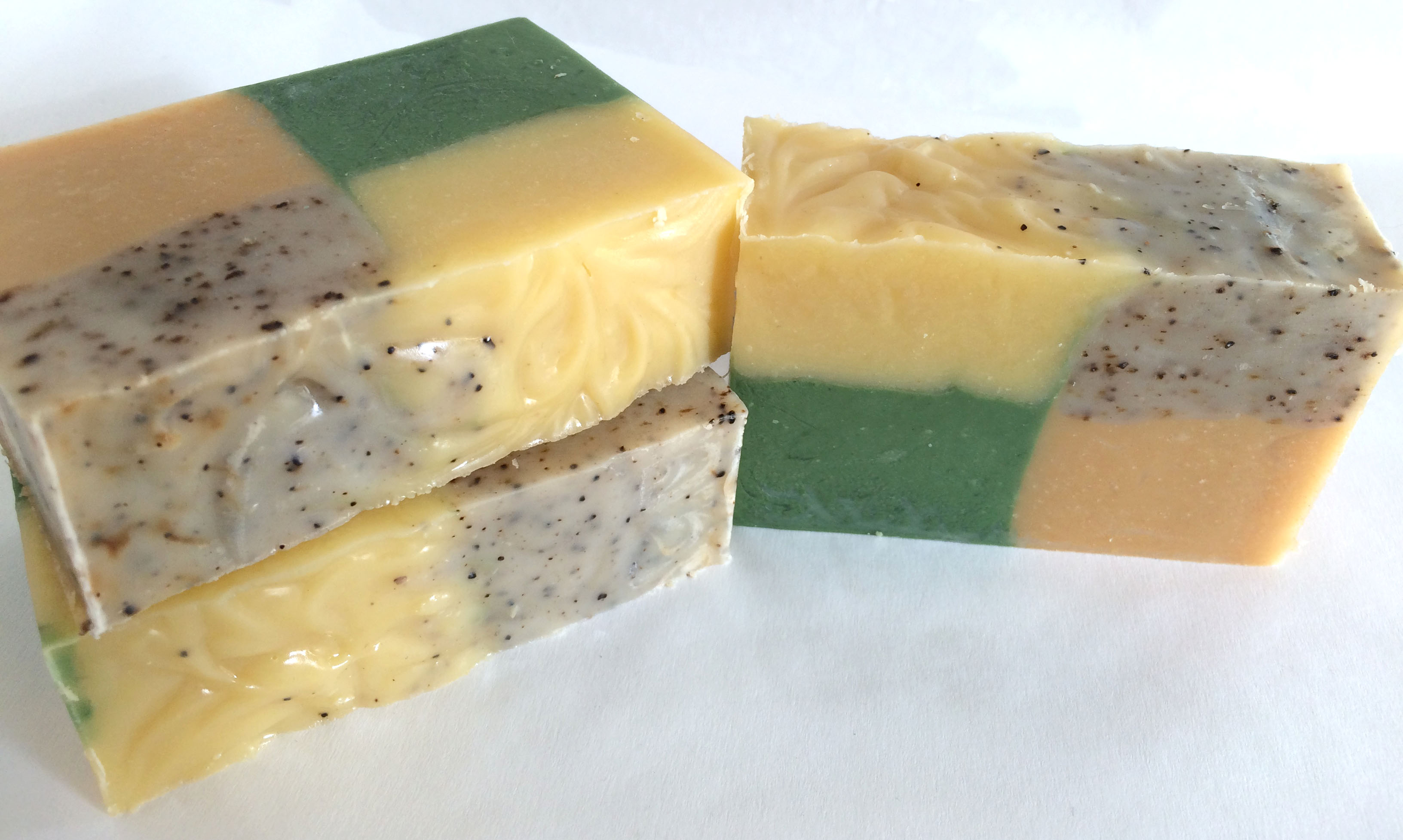
For the curious, the soap with the carrots is the lighter yellow while the soap with the yellow Brazilian clay is the more orange shade. There is no colorant in the soap with coffee grounds, and the green portion is colored with chromium oxide, so all of the colorants are natural or “nature identical.” I did gel this soap to make the colors pop, and I had to place it on a heating pad to force gel. Often, simply covering it is enough. It also had a fair amount of ash on the tops because 1) I don’t have any isopropyl rubbing alcohol right now, and spraying the tops reduces ash, and 2) I have found that soaps made with essential oils are more prone to ash anyway. I steamed it right off, though, as you can see.
One of the reasons I started making soap in the first place was that I was drawn to natural soap sold at the farmer’s market I visited on the weekends when I lived in Georgia. My first soaps were all natural soaps made with no fragrance or with essential oils. As I began to experiment, I enjoyed using synthetic fragrances and colorants as well, but I find I am often drawn back to natural soaps again. Customers seem to be drawn to them as well. I enjoyed experimenting with one of the recipes in the book, and I was pleased with how the soaps turned out.
Caveat: the term “natural” is not regulated by the FDA, and Anne-Marie’s book does have some recipes that include items such as chromium oxide, which are “[t]echnically manmade” but which “have the same chemical composition as mined ones” and are therefore considered “natural” or “nature identical” (46-47). Depending on your point of view, these pigments might not be natural enough.
I would recommend this book to soapmakers at all levels of experience and particularly to those looking for inventive ways to make more natural soaps. I’m excited to try some of the other ideas in Anne-Marie’s book.
Trying Bubble Bars
I have been wanting to branch out a bit and try some other products for a while. I have made lotion with great success, and if you’re looking to try lotion yourself, I can’t recommend Anne L. Watson’s book Smart Lotionmaking highly enough. Her recipes have all worked well for me, and I am especially in love with her Almond & Cocoa Butter lotion.
I had been wanting to try making bubble bars for a while, but I wasn’t sure how to go about it. The recipe can take a lot of experimentation, and I wasn’t excited about wasting a lot of ingredients trying to get it right. I have watched Anne-Marie Faiola’s tutorial on making bubble bars, and hers seemed to have come out all right. If you are looking for a recipe to start, you might try hers. Here is a video tutorial.
However, after watching this tutorial by Katie White of Royalty Soaps, I was convinced to try the recipe she used in the video.
The recipe is copyrighted, but you can purchase it from Nicole Gallagher of Two Wild Hares on Etsy.
The first time I tried to make the bubble bars, I used too much glycerin, I think. One thing I will say about the instructions provided by Nicole is that they are very thorough. While it’s impossible to account for every variable someone might experience, one suggestion Nicole makes is to adjust the wet ingredients if you are finding your bubble bar dough is too wet (I’m being a bit cagey here out of respect for Nicole’s work, but if you purchase her recipe, you’ll see what I mean). I also couldn’t stop myself from fiddling overmuch with the bubble bars while they dried, the end result of which was that it took a long time for by first batch of bubble bars to harden, and they were lumpy and not very pretty. However, I tried them in the tub, and each time I’ve tested, they’ve produced lots of bubbles that last for a pretty good while.
I used less of one of the wet ingredients in my second batch, and I have told myself to leave them alone. I snapped a picture of them. The light is not too good because it was 10:00 P. M. when I took it, but I think this second batch turned out really pretty.
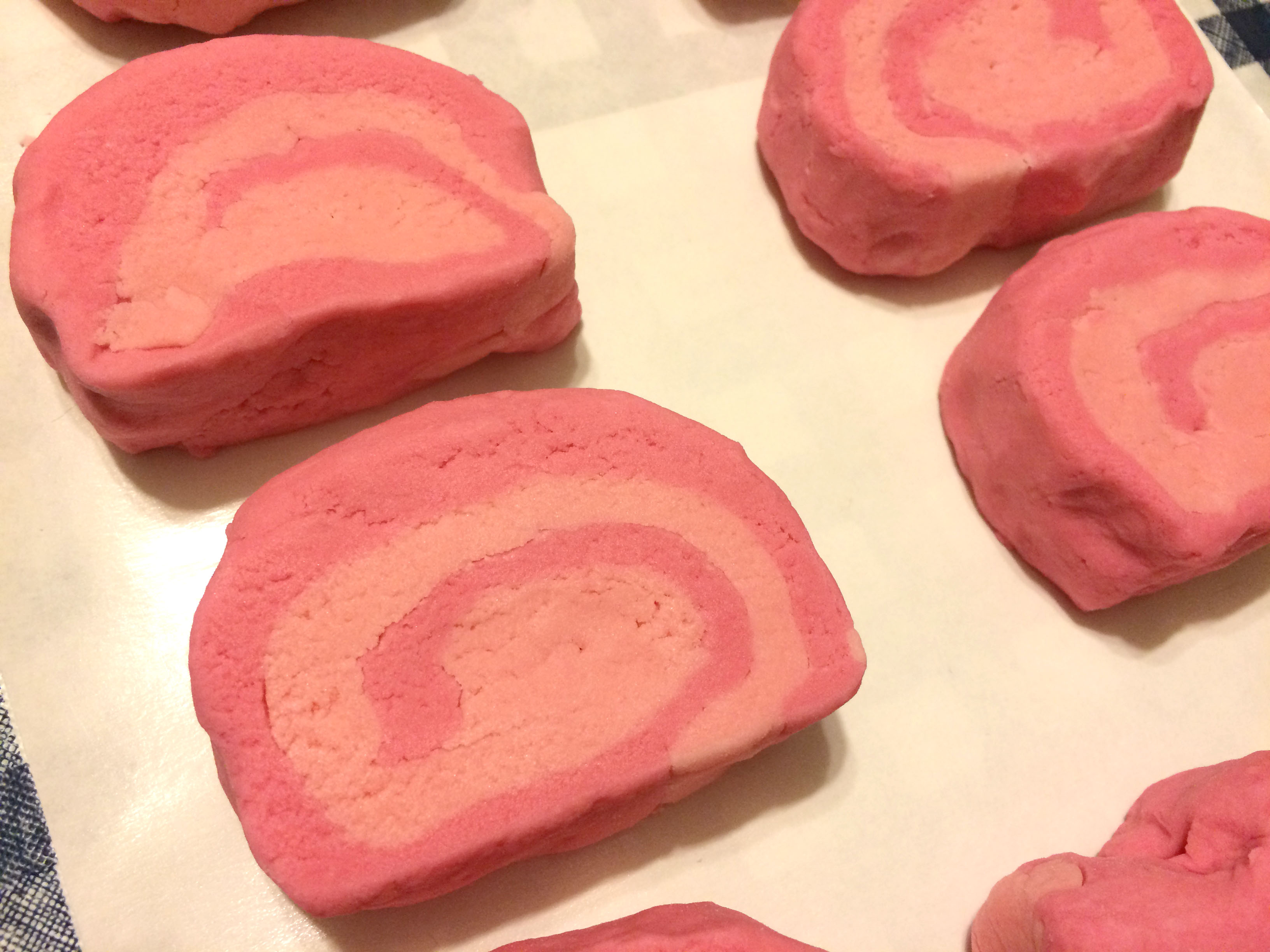
I scented them with a sample of Pikake Flower fragrance and colored them with Nurture micas.
In my testing, I found I could use half a bubble bar to get a pretty good amount of bubbles. And much cheaper (and with a few nicer ingredients) than the bubble bars made by a certain large artisan cosmetics company.
Big Sale!

During the month of September, spring and summer soaps will be on clearance so we can make room for fall and winter soaps, including our Christmas favorites. It is the perfect way to capture that last little bit of summer as the leaves are turning.
But that’s not all! You can use the coupon code HAPPYBIRTHDAY all during the month of September to save 10% on your purchases, even on clearance items!
The first nine orders received starting on September 1 will receive a free bar of Maine Blueberry soap (approximately 3.5 ounces and a $4.00 value). Remaining orders will receive one free soap ball while supplies last.
Using Infused Oils in Soap
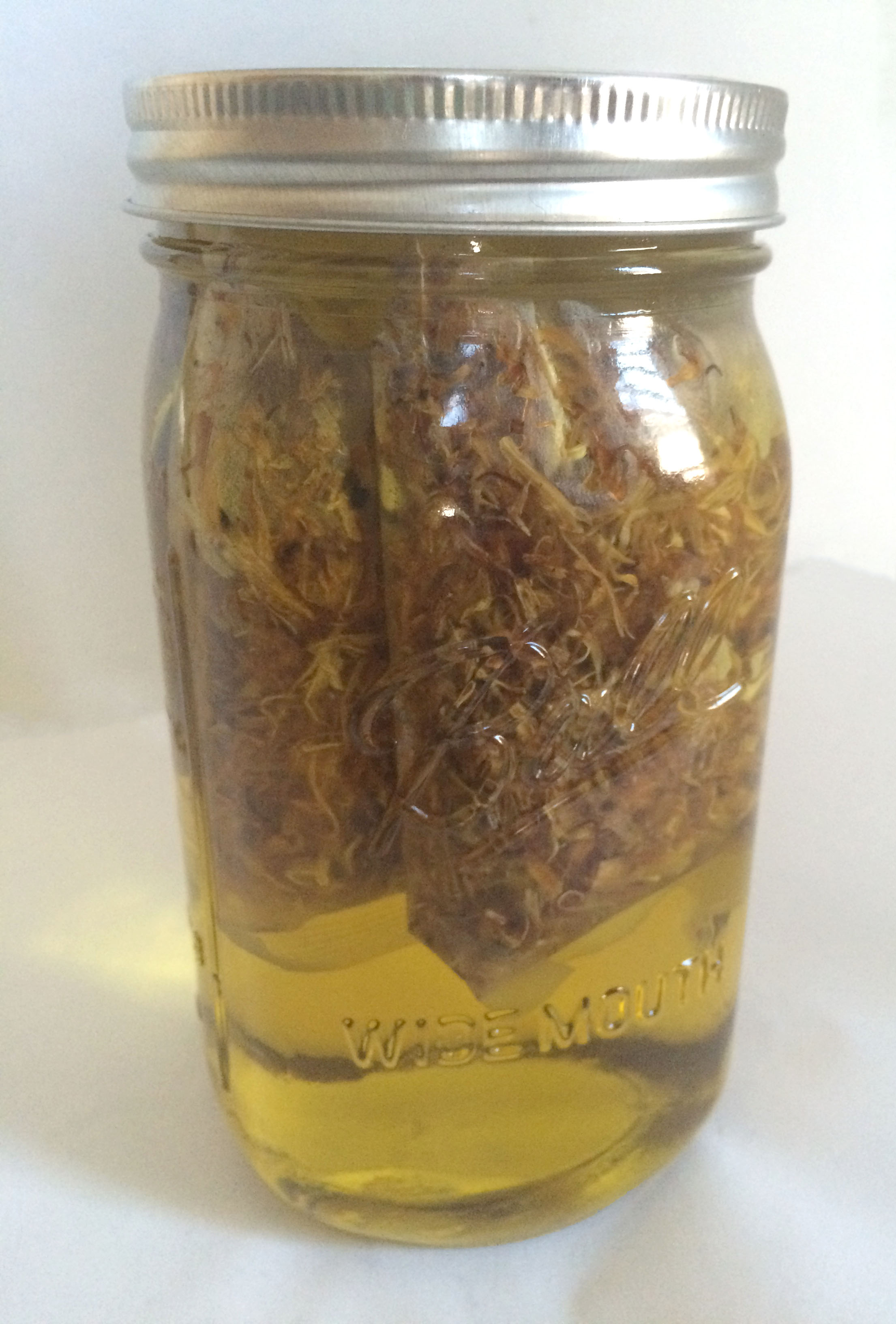 Using herb and flower infusions in soap can add a little something extra special to your soap. I love using both chamomile and calendula (marigold) infusions in my soap. Both impart a pretty butter yellow to the finished soap. There is a slight scent in the oils, too, but I find that scent doesn’t usually survive the saponification process, and I have used fragrances and essential oils successfully in soaps with infused oils.
There are a couple of techniques you can use for infusing oils. You can put the flowers or herbs in a jar, pour your oil over them, and let them infuse for several weeks, but I like the slow cooker method, mainly because it’s quicker, and I’m impatient.
I purchased these handy “tea bags” from Bramble Berry (who is not sponsoring me; I just like the product). While you can pour the oils directly over the botanicals, I have found it is pretty messy, and you have to strain the oil later. The tea bags allow the botanicals to infuse the oil without making a mess. I try to use about ½ to 1 ounce of botanicals (which is a lot more than you’d think—they are light). I put the botanicals in the tea bags and seal them closed with an iron. Then I put them in a jar, I pour olive oil over the filled tea bags. I put a few inches of water in my slow cooker, turn it on low, and gently lay my jar in the water. I let the oil infuse in the heat of the slow cooker for about five hours, turning the jar over every once in a while (be careful; it’s very hot). The jars can be hard to open afterward, but I have a nice infused olive oil to use in my soap when I’m done.
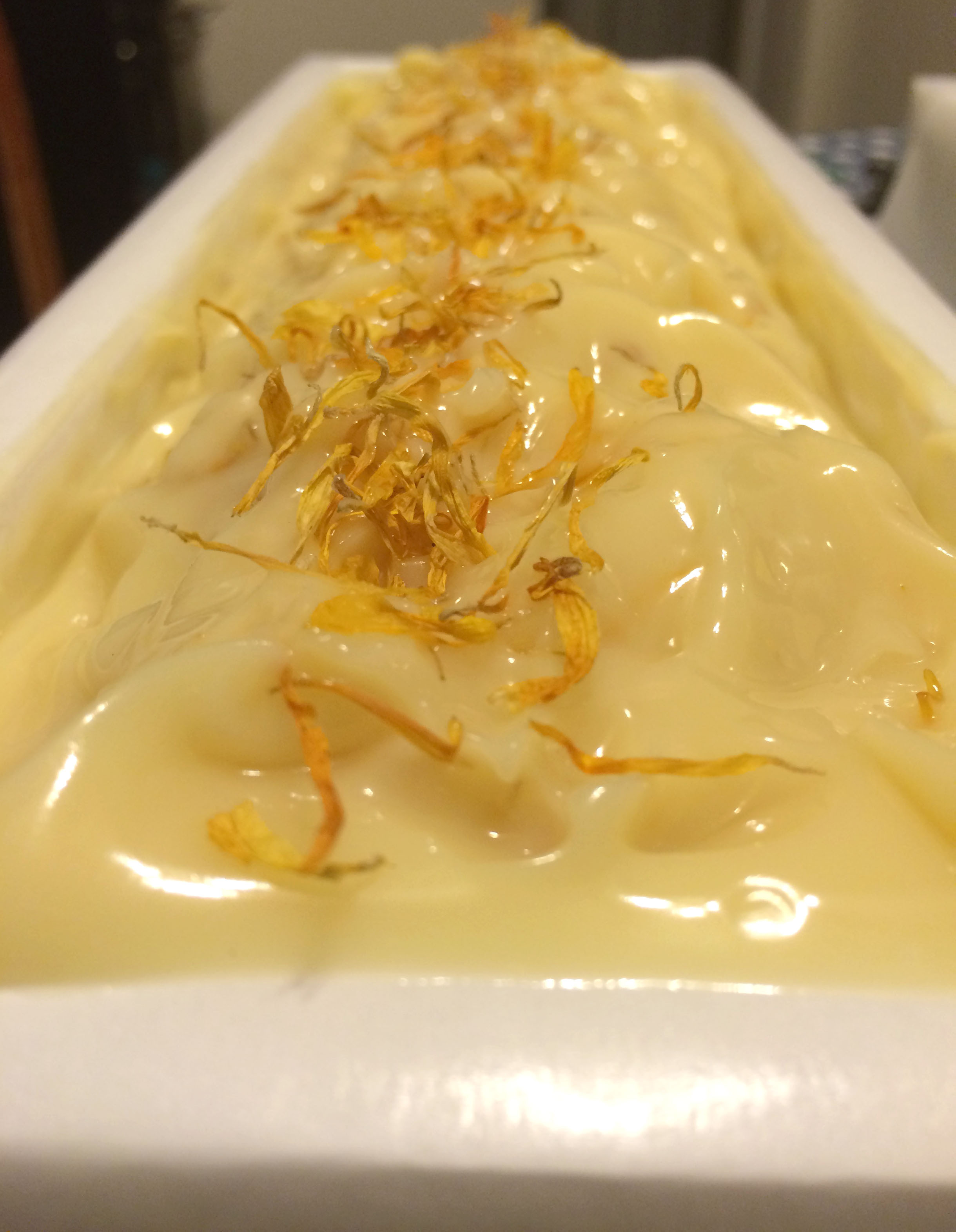
If you want to try out infused oils in your own soap, check out this recipe for a one-pound batch.
Ingredients
- 162 grams distilled water
- 59 grams lye
- 170 grams olive oil
- 106 grams coconut oil
- 106 grams palm oil
- 22 grams shea butter
- 21 grams castor oil
- 25-28 grams fragrance or essential oil optional
- 2 large tea bags
- 1/2 ounce dried calendula petals
Servings: pound
Instructions
- Put the calendula petals in the tea bags and iron edges to close.
- Place the calendula bags into a large jar.
- Put the jar on a scale and tare the scale. Add a bit more olive oil than you need. This recipe calls for 170 grams, but some of the oil will be soaked up by the calendula petals and the bags; it will be hard to get every last drop out again.
- Screw the lid tightly on the jar and place it in a slow cooker on low. Let the oil infuse from 2-5 hours.
- Set the infused oil aside to cool. It will be too hot to soap with right after the infusion.
- When your infused oil is cool, prepare your water and lye. Measure out 162 g distilled water and set aside. Measure out 59 g lye in a separate container and set aside. Carefully add the lye to the water and stir until it is dissolved. Set the lye solution aside to cool.
- Measure out your hard oils (106 g coconut, 106 g palm, and 22 g shea butter) and melt them down.
- Add 170 g infused olive oil and 21 g castor oil to the melted hard oils.
- Once your lye water has cooled (I usually combine my oils and lye water at about 100ºF), add the lye water to the oils and blend to a light trace.
- Add your fragrance (optional) and either whisk in or stick blend carefully.
- You can add calendula petals to your top for extra decoration. Calendula petals keep their color in cold process soap, so you can even add it to the soap itself.
Recipe Notes
Whether or not the soothing qualities of calendula survive the saponification process is up for debate, but the infusion does impart a nice, light color to the soap. Why not try it and see if it works for you?
Share this Recipe
Powered byWP Ultimate Recipe
Shop Changes
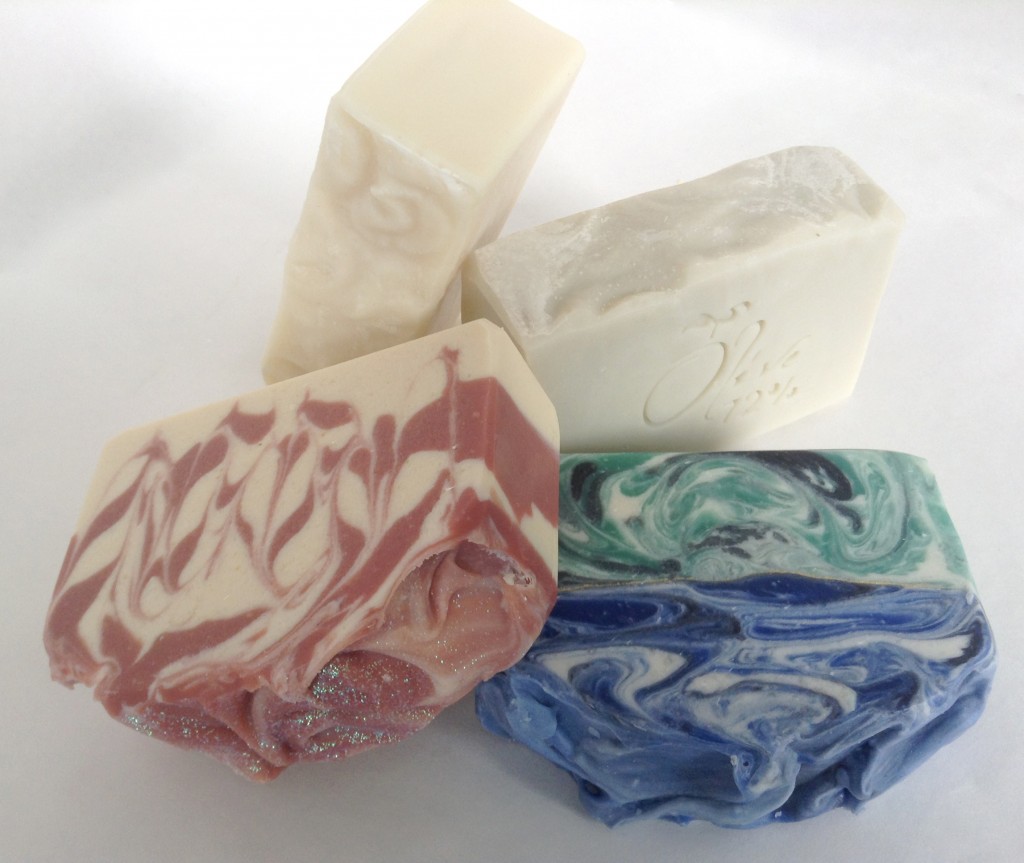 After working with a shop through this site for nearly year, I have decided that I will be using Etsy exclusively to sell my products. Etsy seems to work better and is easier for my customers, and I know it works better and is easier for me. Working with my own shopfront has been an interesting learning experience. Everything I have learned has only affirmed for me that I will better serve my customers on Etsy.
You should see the changes taking effect here on the site shortly. I will still be blogging here and making YouTube videos when I can. I’m not really going anywhere. I’m just streamlining a bit and making things a bit easier all the way around. Thanks to those of you who joined me in my experiment. See you in the Etsy store, I hope.